The story of the olive tree and how its fruit has come to be consumed in cultures around the world is well documented. What is less known is how a little green fruit from the Mediterranean region can be transformed into a marvelous fragrance ingredient. This is the story of Olivante®, Eurofragance’s fourth proprietary fragrance ingredient. In this first installment, we discover how the idea of Olivante® came to be in the mind of Felipe San Juan, R&D Manager Ingredients & Fragrance Performance at Eurofragance.
The little boy in the olive mill
As R&D Manager, Felipe leads the development of captive materials at our company. He traces his interest in chemistry—before even putting a name on it—and for the world of scents and smells to his childhood in the province of La Rioja.
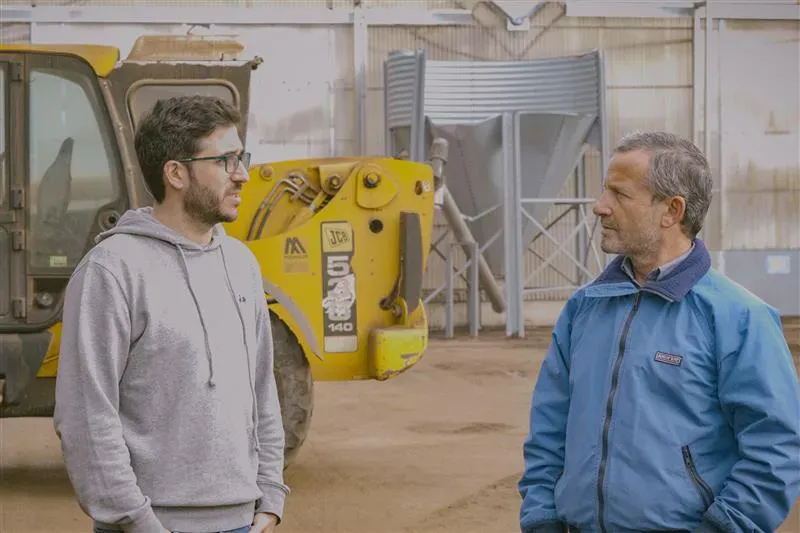
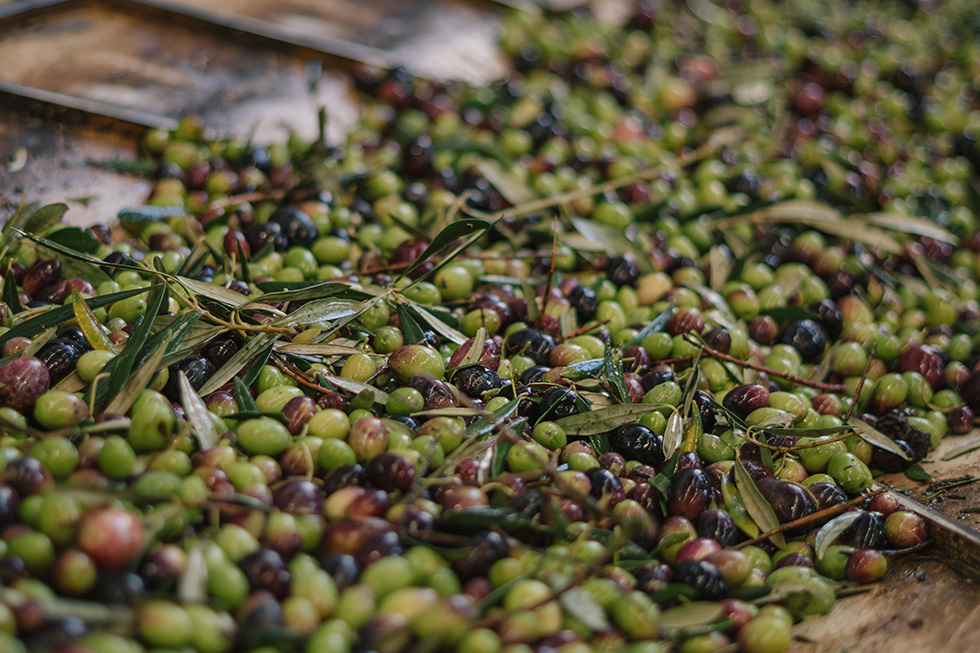
In northern Spain his grandparents exploited several plots of land on which they grew grapes and olives. At the harvest season, as a little boy, Felipe remembers visiting the different cooperatives that processed grapes into wine and olives into oil. In both instances, the smells in these environments have stayed with him till this day. From the olive mill, he remembers olives being crushed, liberating an intense green smell with undertones of leather—a comforting smell to him. From the wine cooperative, he recalls the pungent odor of macerating grapes, and also meeting a local Oenologist who revealed to him certain curiosities behind winemaking. It is then and there that Felipe knew that he wanted to become a Chemist—his academic path was set.
The attraction of aromas
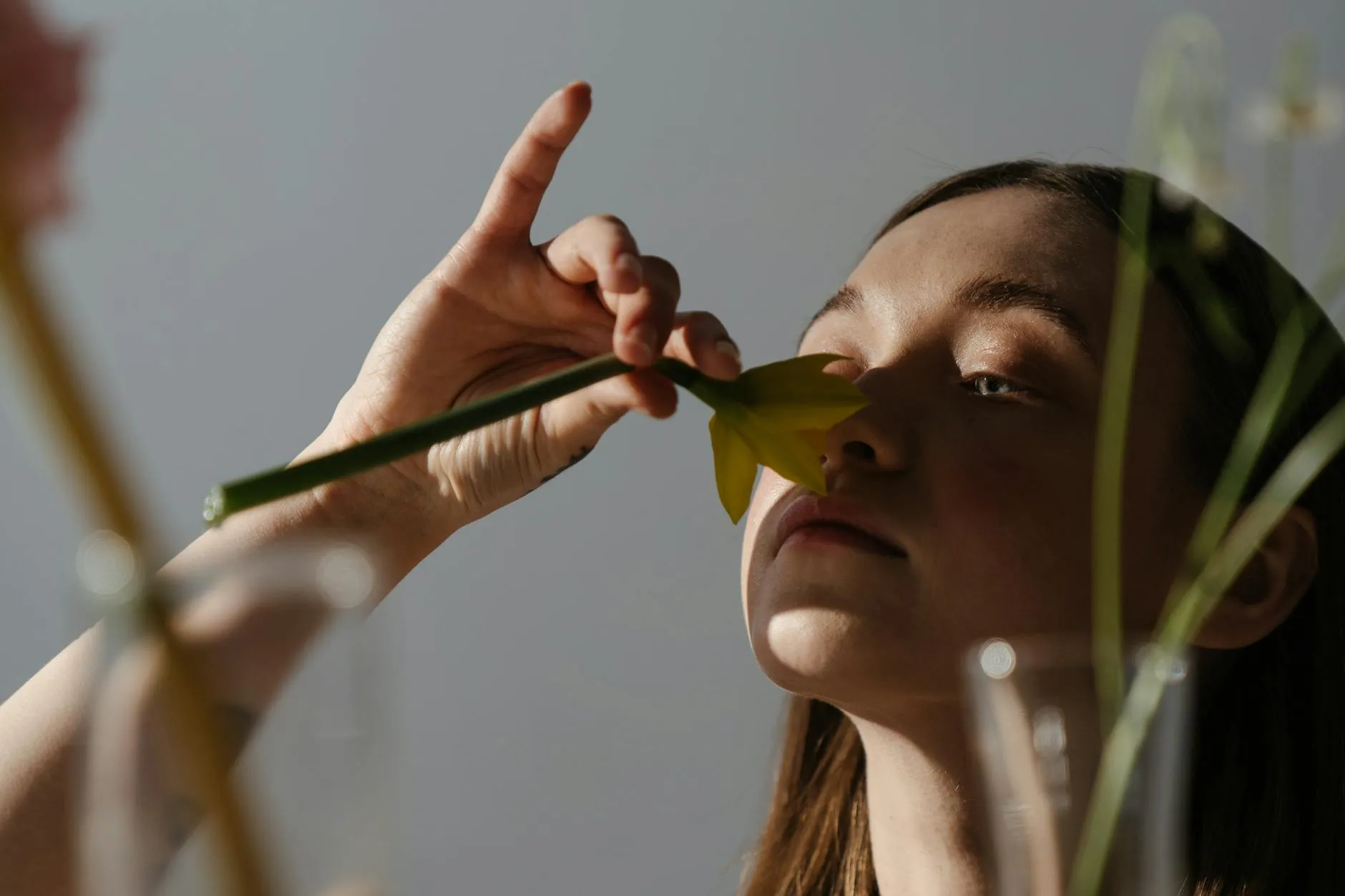
At the University of Zaragoza, Felipe studied the chemistry of aromas. Fascinated by the chemistry side of smell he oriented his field of work towards wine and joined a research group studying volatile compounds produced by the fermentation of grapes. Following the obtention of his Ph.D. in the field of Chemistry of wine aroma, he joined Eurofragance’s Innovation Center where, in the R&D team, he continued his research on how natural materials generate the molecules responsible for their odor. Felipe’s work led him to develop the company’s first four proprietary perfumery ingredients: L’Âme du Bois® which launched in 2021 was followed by Verdenix® and Euphorion®, and now Olivante®.
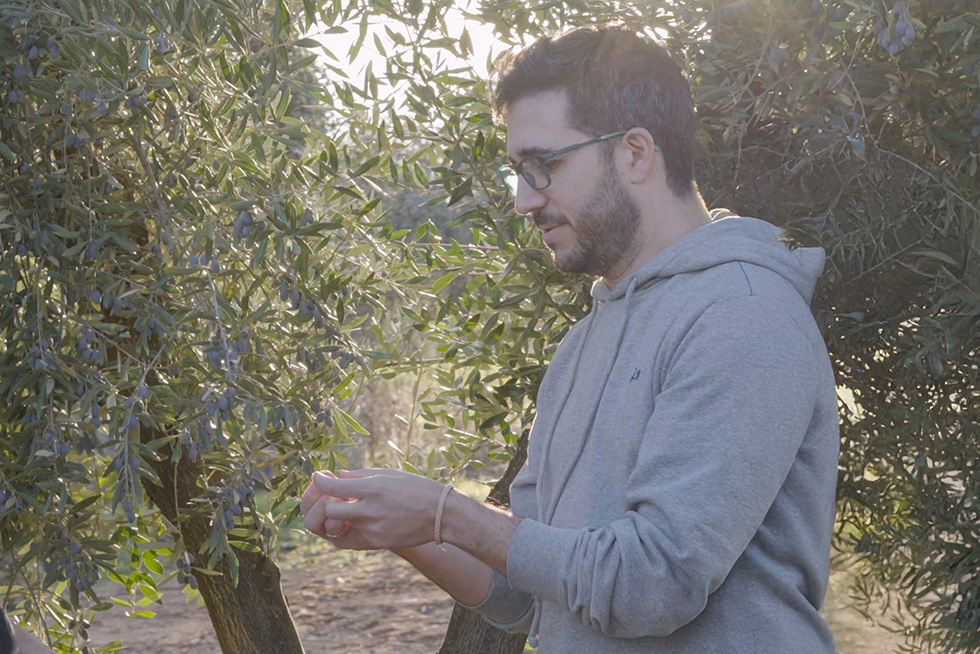
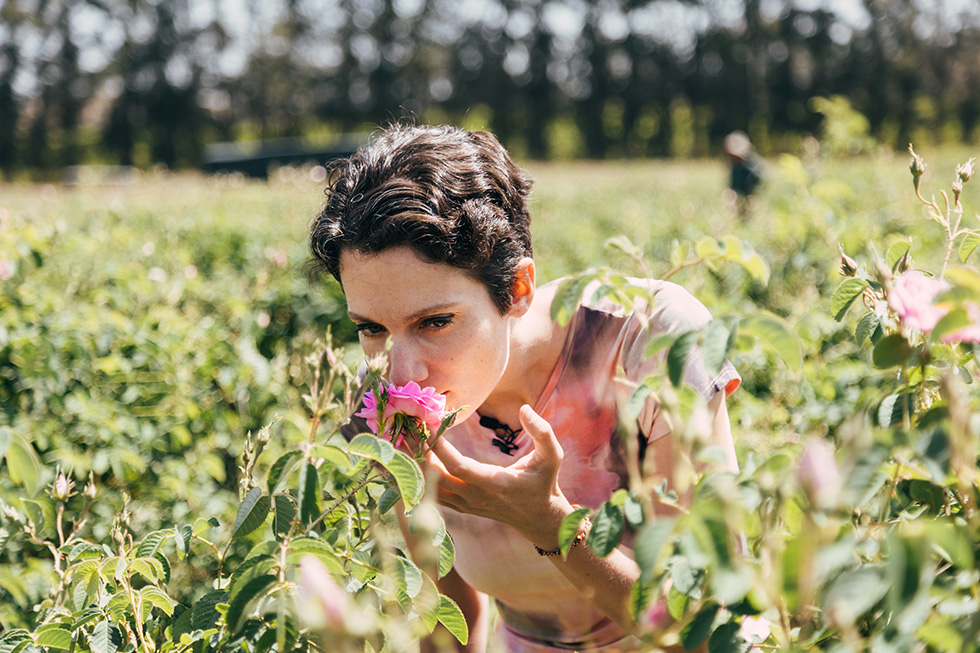
In developing Olivante®, Felipe focused on the volatile molecules generated in olives of different varieties at different stages of maturation. He understood and kept in mind the importance of odorless precursors, able to release odorants under the right conditions, and how they contribute to the smell of the material. Remembering his experience in the olive mill, he hypothesized that it could be possible to develop a fragrance material from olives that approached the comforting smell of his childhood.
When business orients the development of a captive
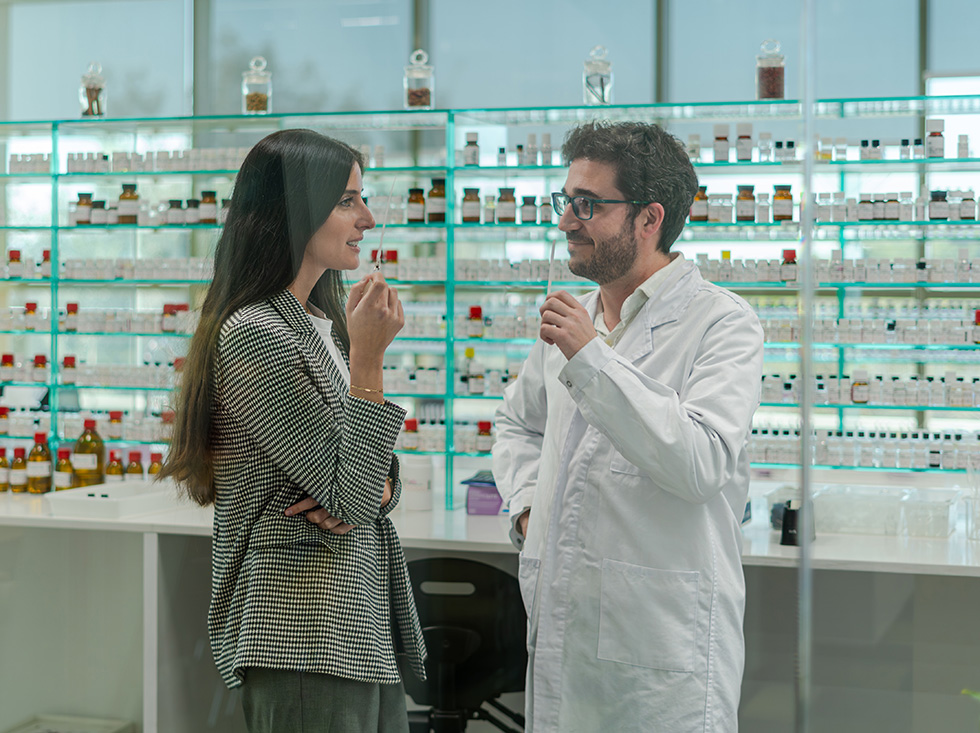
Over the course of three years, Felipe collaborated with Magdalena Rey, Technical Perfumer at Eurofragance, on finding the right olives that could, under the right circumstances, deliver a promising olfactive experience.
Specifically, Felipe was interested in reproducing the comforting leathery odor he had experienced years earlier. Magdalena and Felipe scoured the Spanish countryside to study different varieties of olives that they would then put through a range of natural processes that would alter their scent profile in different manners. At regular intervals, they submitted their findings to a panel of internal Perfumers for evaluation. Scientists and Perfumers were positively surprised by the qualitative nature of some of their early samples, encouraging them to press on.
Different olfactive options presented themselves to the team, but it was clear they had to pursue the route of an ingredient with a more animalic, leathery profile that one often equates with Middle Eastern fragrances. Animalic notes often enter in the compositions of Mukhallats, and perfumes with such a character are now appreciated from Western Europe to India via, of course, the Middle East.
Quality selection and the birth of Olivante®
In her role of Technical Perfumer, Magdalena acted as a liaison between Scientists and Perfumers and, most importantly, she helped determine when the right material was attained to be considered a valuable addition to the Eurofragance palette. Magdalena also submitted several dozen samples to fragrance designers who experimented with them in an array of different applications, ranging from Fine Fragrance to Air Care and Personal Care.
At the end of this process, the Perfumers retained an odorant material, which in neat form, offered a fruity, animalic olfactive profile with a distinct, but not overpowering leathery signature. Importantly, they settled on an ingredient that could elevate the character of other raw materials in a perfume composition without overpowering them, while imparting more or less of a Middle Eastern touch to a fragrance creation depending on the dosage used in the formula. Olivante® was born.
In the next installments of the Olivante® story
You can access and discover “Part II of the Olivante® story – What is Olivante® and why it matters.”
The next installment, “Part III of the Olivante® story – The functional benefits of Olivante® in Personal Care products” is due out in April 2026.
“Part IV of the Olivante® story – The key role of a passionate supplier in the making of Olivante®” is slated for publication in September 2026.
Discover more about Olivante® on its page. Get in touch with us for more information