At Eurofragance, we get a lot of questions relating to our made in-house proprietary perfumery ingredients, often referred to as captives. Felipe San Juan, R&D Manager Ingredients & Fragrance Performance at Eurofragance, who has been leading the captives development team for over five years, answers some of the most frequently asked questions about his work and the creation of Olivante®.
Q: To get started can you remind us what a captive is?
A: Let me start by saying that “fragrances,” “captives” and “proprietary ingredients” are not the same. If we focus on the fragrance industry, it is pretty clear what a fragrance, or perfume, is. A fragrance can be defined as a blend of ingredients, natural or synthetic, most often in a fluid preparation that diffuses a scent.
When a fragrance house develops a new ingredient (or raw material) and decides to not sell it to other fragrance houses, but rather keep it solely for its own Perfumers to use in their formulas, the new ingredient is a called a captive. “Captive,” meaning under the control of a person or entity. A captive can be natural or synthetic. Euphorion®, which we introduced in 2024, was our first synthetic captive. Olivante®, on the other hand, is a natural captive ingredient (or captive raw material) because Eurofragance designed it and is marketing it as a branded product.
The words “captive” and “proprietary ingredient” are often used interchangeably, but there is a slight nuance between the two terminologies. A proprietary perfumery ingredient is a captive that a fragrance house decides to sell to other companies while still owning the process and use, and is almost always covered by a patent or another form of intellectual property.
Q: Why is it important for a fragrance house to develop proprietary perfumery ingredients?
A: The answer lies in the notion of differentiation, and this is valid on two separate fronts.
First, our captives program differentiates us from fragrance houses that don’t develop their own exclusive ingredients; it sets us in a league apart and is proof of our focus on innovation. The building blocks of any fragrance are its raw materials. These can be natural or synthetic, it doesn’t matter. What does matter, is that our Perfumers have access to a broad and high-quality palette of ingredients to create with. When Eurofragance develops a new natural or synthetic captive, it enables our Perfumers to explore new accords and new olfactive territories. With every captive we roll out, we give our creation teams an additional means of creative expression.
Second, our captives allow our clients to differentiate their products. A proprietary perfumery ingredient can really distinguish a brand in a competitive environment where too many launches start smelling the same. Our Perfumers have the know-how and the inventiveness to create fabulous fragrances for our customers with Eurofragance captives that no one else can duplicate because, by definition, the captive belongs to us and we control its usage. Clients are always eager for new news, and this is something we can offer them with every new captive we launch, and in the case of Olivante®, as it will give their product a distinct, one-of-a-kind signature.
Q: What is special about Olivante®, Eurofragance’s fourth proprietary ingredient?
A: I would say that Olivante® is special for five key reasons:
– On its own, Olivante® has an attractive fruity, animalic scent profile.
– When used in a fragrance composition, Olivante® elevates the olfactive profile of other ingredients: fruity notes become richer, gourmand notes more delightful and leathery notes more sensual.
– This ingredient imparts a Middle-Eastern touch to perfume creations, and fragrances with such olfactive profiles are gaining in popularity well beyond the Gulf Region.
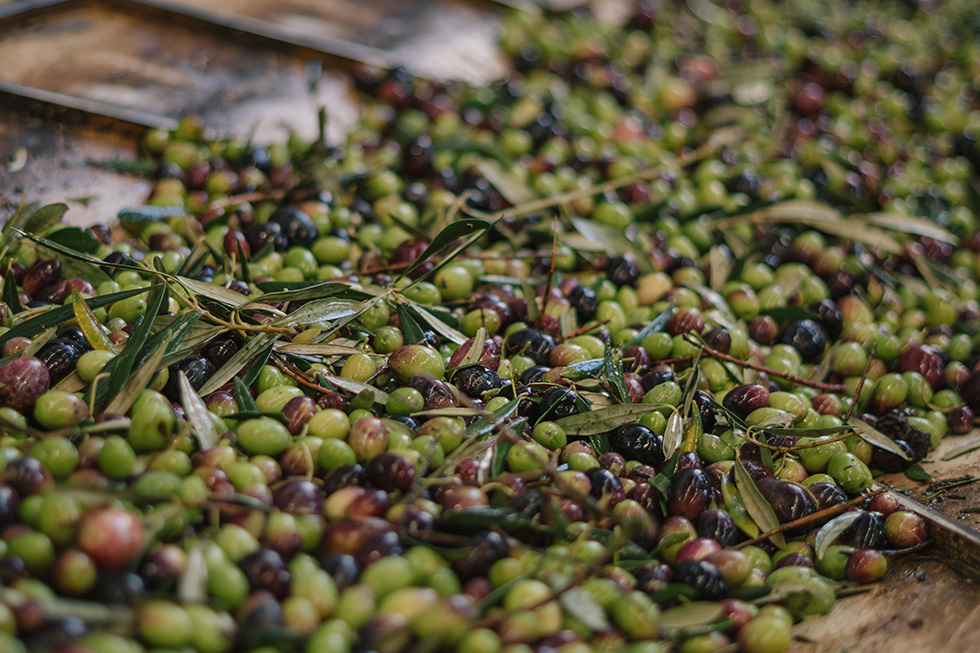
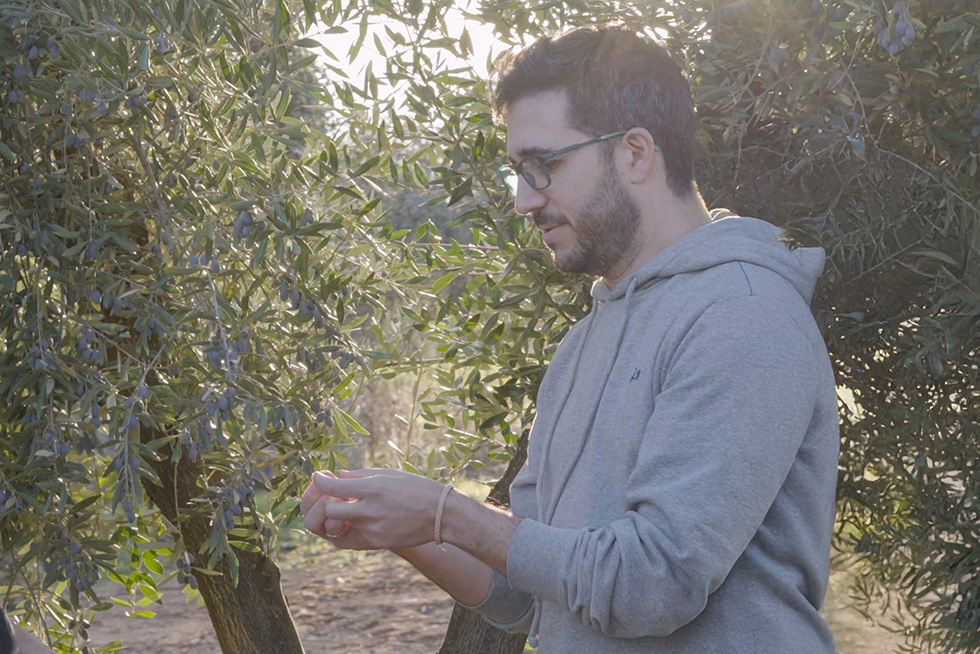
– Olivante® is made through 100% natural, upcycling processes. It transforms discarded waste material from olive mills into a valuable perfumery ingredient. A sustainability positioning is always attractive to consumers.
– The imagery and the associations around the olive are highly positive and allow for compelling storytelling. Olivante® is an ingredient that bridges olfactive families and cultures.
Q: What types of products can be fragranced with Olivante®?
A: Our new captive Olivante® performs particularly well in Fine Fragrances. Our Perfumers have been eagerly experimenting with this innovative ingredient mostly in fine perfumes, but not only. The studies we have conducted show that Olivante® successfully delivers its olfactive impact in the following applications:
– Fine Fragrances (alcohol and water base)
– Personal Care
– Air Care
Q: Several Eurofragance captives are made by upcycling waste material, why is this important to you?
A: This is correct, L’Âme du Bois®, Verdenix® and Olivante® were all made via an upcycling process. This has become somewhat of our specialty at Eurofragance where we always approach projects from a sustainability perspective. At Eurofragance, we try to follow a green chemistry approach in the development of our fragrance technologies and of our proprietary ingredients. We feel that it is the right philosophy to adopt in a world where caring for our planet has become so important.
As human beings, we produce a lot of waste across many industries and areas of activity. I come from a region of Spain that is known for its farmland and its vineyards, and I have seen with my own eyes how agriculture too produces huge quantities of waste. As a Chemist with a green mentality working in a fragrance house, I had to ask myself: “Wouldn’t it be possible to transform some of this waste material into exclusive perfumery ingredients of value?” I feel that Olivante® provides the perfect answer: “Yes, it can be done.”
Q: Is Olivante® expensive?
A: This is a question we often get from our clients when we propose a new fragrance technology or captive to them, but it isn’t really the right question to ask. We would rather the question be: “Is Olivante® worth it?” And to us, the answer is a resounding “Yes!” Going back to the notion of differentiation, Olivante®, just like our other captives, allows our customers’ brands to stand out and to stand tall in an increasingly competitive marketspace. In addition, the iconic olive with all its positive Mediterranean history and imagery allows for a compelling narrative, and today, consumers are eager for great product stories.
All argumentation aside, and to give a more straightforward answer regarding the price of Olivante®, we can say that Olivante® is well within the range of ingredients used to create Fine Fragrances and upmarket Skin Care and Air Care products, but this also depends on the quantity and the dosage of Olivante® in the final perfume formula.
Other installments of the Olivante® story
You can access and discover “Part I of the Olivante® story – From a childhood memory to a new fragrance ingredient.”
The next installment, “Part III of the Olivante® story – The functional benefits of Olivante® in Personal Care products” is due out in April 2026.
“Part IV of the Olivante® story—The key role of a passionate supplier in the making of Olivante®” is slated for publication in September 2026.Discover more about Olivante® on its website pageGet in touch with us for more information