In the first installment of this four-part series on Olivante®, we discovered how the inception of the Olivante® idea dates back to an olfactive experience our leader of proprietary ingredient development, Felipe San Juan had as a child. In the second installment, Felipe answered a range of questions on captives and why they matter in fragrance creation. We now go behind the scenes to reveal some of the key elements in the making of Olivante® and, notably, how collaborating with the right supplier made a world of difference.
The first steps we undertook
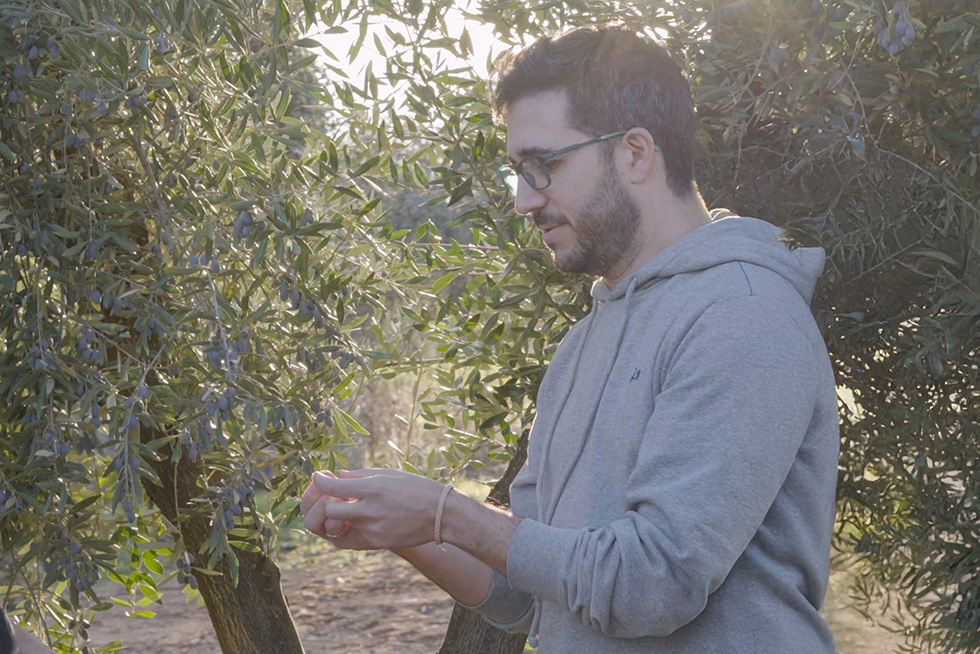
We surmised that an olfactively interesting natural ingredient could be extracted from olives having been exposed to certain conditions and undergone special processes, but the question remained as to what raw material we would work from. Felipe began by looking into the fresh residue coming straight from pressing olives in the mill. He contacted different producers to acquire samples and conduct preliminary tests. It soon became apparent to Felipe and to Magdalena Rey, Technical Perfumer at Eurofragance, who played a pivotal role in the development of Olivante®, that this was the wrong route to follow.
The team then turned to those who treat the waste material leftover after extraction of the oil. There were three different types of fractions to explore: a solid fraction (skin, pits and other tissues); an aqueous fraction; and an oil fraction.
In keeping with Eurofragance’s sustainability philosophy and Felipe’s keen interest for upcycling ingredients into promising perfumery ingredients, he wanted to work with a natural waste material available in large quantities and carried no negative impact on the environment. In Spain, the olive oil industry produces literally mountains of waste, most of which is given a second life under different forms such as animal feed, fertilizer or fuel. For reference, a small cooperative mill producing olive oil handles between 100 and 500 tons of olives a day, whereas large ones reach over 1,000 tons per day during the picking season, which spans from October to February.
Finding the right olive and the right partner
Like many other fruits, such as apples or grapes, there are numerous varieties of olives. The olive tree, Olea europaea, is one species, but in Spain alone, around 200 varieties are cultivated. These different varieties grow in different regions of the country, where the meteorological and geological conditions are best suited for the trees to yield the desired crop. The organoleptic qualities of the olive tree’s fruit are therefore influenced by where it grows—origin, growing conditions, temperature, soil and other factors do actually matter.
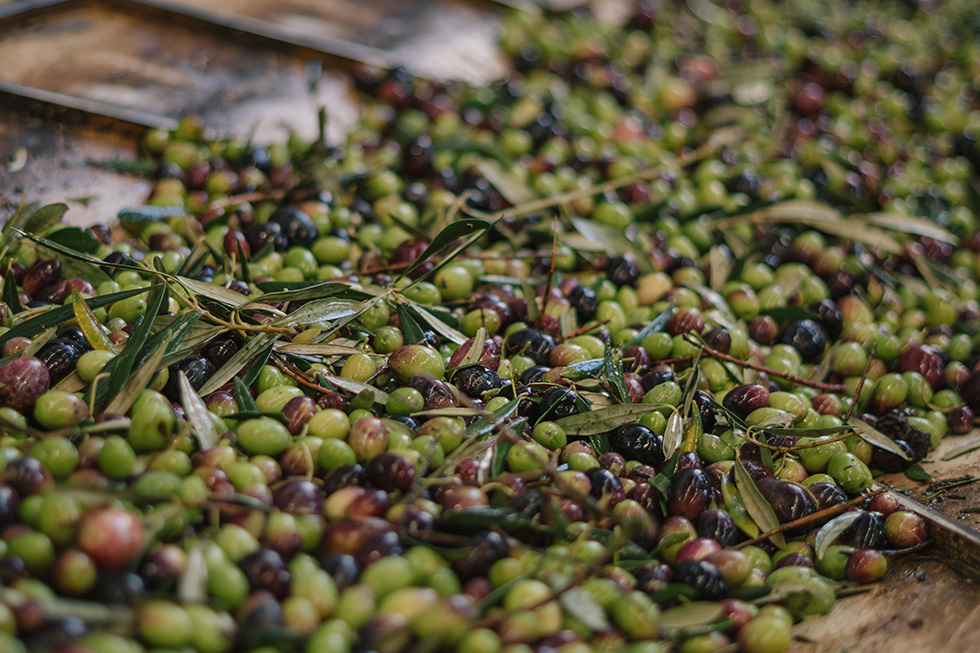
It turns out that the material we acquired from one potential supplier of olive paste revealed interesting odorant characteristics. The paste, or “orujo” in Spanish, the leftover material we focused on, was the result of pressing predominantly three varieties of olives: picual, cornezuelo and arbequina. This orujo was supplied to us by Troil Vegas Altas SC, a cooperative specialized in the upcycling of waste material produced by the olive oil industry. Troil is located outside the village of Valdetorres near the city of Mérida in the region of Extremadura in western Spain.
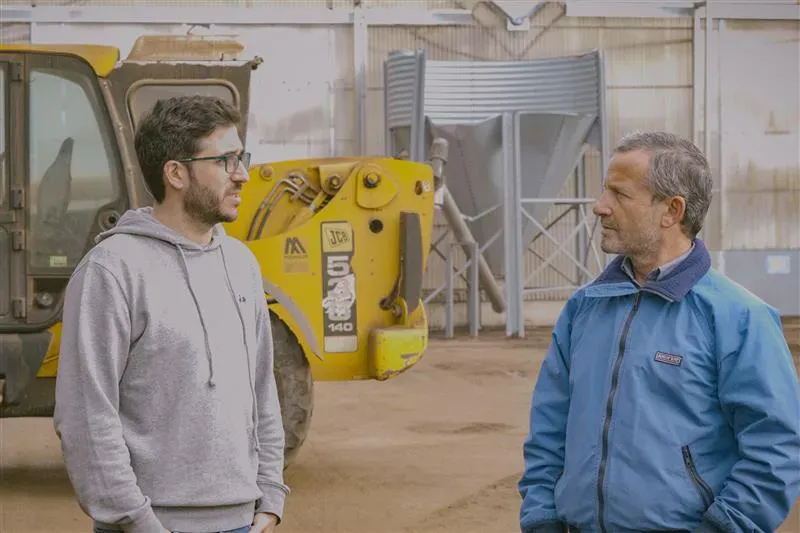
Many of the cooperatives we had contacted originally had politely declined to collaborate on this project as it was too far off their usual business model, but when we asked José Calama, who runs Troil, he said “yes.” When you question José as to why he accepted to work with Eurofragance, he answers without hesitation: “I like trying new things that give value to waste material and I enjoy collaborating with people who have interesting ideas.” For Eurofragance, working with suppliers with such an attitude is a blessing. For many of the ingredients we compose fragrances with—especially those of natural origin—we are extremely grateful when we can work hand in hand with the producer to acquire ingredients with the precise olfactive profile that our Perfumers wish to create their fragrances with. In some cases, this might mean tweaking the distillation process of a raw material to bring out certain nuances in the final ingredient. In the instance of Olivante®, it was about uncovering and then optimizing a precise process to naturally generate the right profile of odorants.
A supplier driven by curiosity
When we first talked to José about transforming olive waste into a perfumery ingredient, he was surprised, not to say dubious, but his curiosity had been piqued. It is true that when one visits the Troil processing plant, the pungent ambient smell of olive waste is predominant throughout the site, but in perfumery there are no “bad smells,” there are only things that “smell different,” and we know that the magic lies in the dosage of an ingredient and how it is blended with other materials.
Felipe and José, with the expertise of Magdalena, spent several months evaluating different samples of orujo. They eventually identified the raw material with the most appropriate olfactive profile. In our case, they settled on a material with animalic fruity notes that could play an important role in our Middle Eastern perfume compositions—an area in which we hold a leadership position.
To pursue this option, it would still be necessary to purify the “oily fraction” in order to unleash its full olfactive potential and, at the same time, make it suitable for inclusion in perfume formulas. This separation step was achieved through a process that we developed and that enabled us to recover the most appealing odorant elements, while removing undesirable impurities. Low-environmental-impact separation techniques were chosen, respecting our sustainability objectives. Ultimately, all these different factors, conditions, choices and processes yielded our fourth captive: Olivante®.
Since we introduced Olivante® to our Perfumers and customers, our exclusive ingredient is more and more in demand from both parties. We have scaled up production as our Perfumers continue to explore Olivante®’s perfumistic potential. And when you ask our R&D team their impressions on the creation of this captive, Felipe says: “Olivante® is the result of a great collaboration between a motivated Eurofragance team and an enthusiastic, problem-solving supplier. From day one, we loved José’s enthusiasm and can-do attitude. For us, he is the ideal type of supplying partner to work with, and Olivante® could never have been possible without him.”